
Discovery phase
Together we define goals, map users, analyse the market, review any constraints and assess the current tech.
We shape a lean scope, create a prioritised backlog and design architecture options that fit your budget and timeline. Risks are surfaced early, compliance is considered, and success metrics are agreed upon. You leave discovery with a plan you can act on.

Why is the discovery phase essential?
Discovery sets the direction. It clarifies goals, aligns expectations, and removes uncertainty. With a practical roadmap, your team builds the right features sooner and delivers measurable value.
How does discovery save time and resources?
Start with discovery to avoid expensive detours. Early insight into risks and dependencies cuts rework and delays, keeping your budget and timeline on track.
How does discovery help your project?
Discovery clarifies users, market demand, and technical requirements. It sets a solid foundation for design and MVP, enabling informed decisions, intelligent prioritisation, and a launch that truly fits user needs.
Discovery phase steps
Project definition
We identify the people who matter (owners, users, investors and developers) and agree on the goals, objectives, and success measures. With shared visibility, the project stays aligned and efficient.
Project research
We audit research, map key journeys, and analyse competitors to pinpoint your audience. The result is a clear niche that guides the build and the marketing.
Project ideation
We use a Lean Canvas to understand the problems, solutions, key metrics, and the competitive edge. Our team then defines user roles to clarify how the product should work, and then creates a feature breakdown to map what the product will deliver.
Project planning
After completing these steps, you will have a confirmed timeline and budget, along with a working roadmap that includes milestones, deliverables, and deadlines, to guide the project from planning to launch.
Discovery phase deliverables
Lean canvas
A practical plan for founders. It includes a business model, customer pains, solution fit, value proposition, and clear goals.
User roles document
Clarifies user roles and how they navigate across the product, ensuring a seamless experience based on the insights gathered.
Feature breakdown list / feature set
A structured feature list with effort estimates, plus the documentation needed for third-party evaluation.
Technology stack proposal
A concise list of fit-for-purpose technologies, including options and trade-offs, explained by our engineers.
Discovery phase key roles

Business Analyst (BA)
Our business analysts bridge the gap between clients and engineering. They turn needs into precise, testable requirements that cut rework, prioritise the essentials, and keep the team aligned on a single goal.

Sales Manager (SM)
In step with the BA, the sales manager surfaces needs, sets a realistic scope and cost, and closes the loop with timely updates so plans stay aligned and communication stays crisp.

Developer (Frontend/Backend)
Our developers join discovery to assess choices, justify trade-offs, and propose what works best. They set reliable estimates and shape the final stack for a clean, scalable build.

Quality Assurance Specialist (QA)
QA keeps discovery grounded and your timeline credible. Our QAs build test plans around developer estimates, set realistic quality goals, surface risks early, and shape what to test and when. They reduce rework and protect the budget.

UI and UX Designers
Designers play a core role in discovery, mapping straightforward navigation, intuitive flows, and visuals that earn attention. They turn research into a practical blueprint and design system, making your product distinctive, functional, and ready for market.

Project Manager (PM)
The PM makes the discovery phase work: structured sessions, clear actions, and on-time decisions. They keep stakeholders aligned, surface risks early, and protect the budget and timeline so the team builds the right things in the correct order.
Let's talk!
With everyone aligned, we move quickly from plan to working software
Talk to our business development managerGeography of our projects
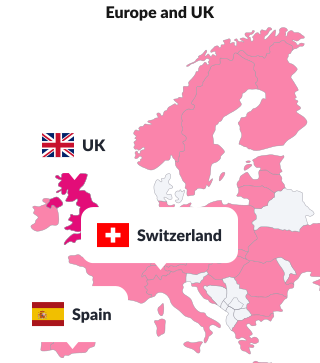
We build with local context in mind, including culture, regulations, and expectations. Wherever you are, you’ll receive clear communication and a delivery rhythm that aligns with your team’s workflow.


Case studies
Discover our cross-industry expertise and how we help our clients transform initial ideas into solid results.
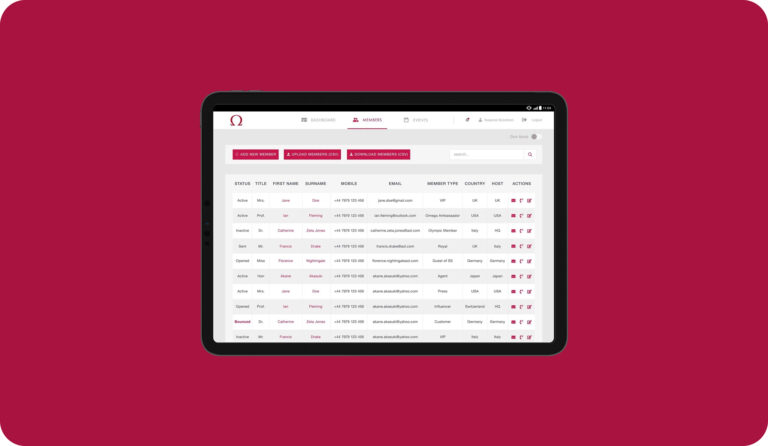
Developing a bespoke event management platform for this global brand in time for the Tokyo 2020 Olympics.

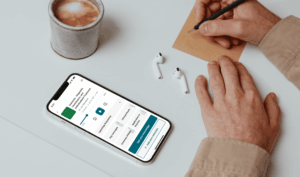
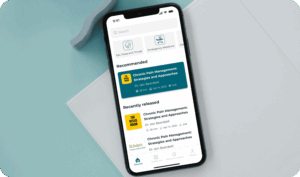
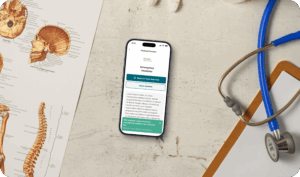
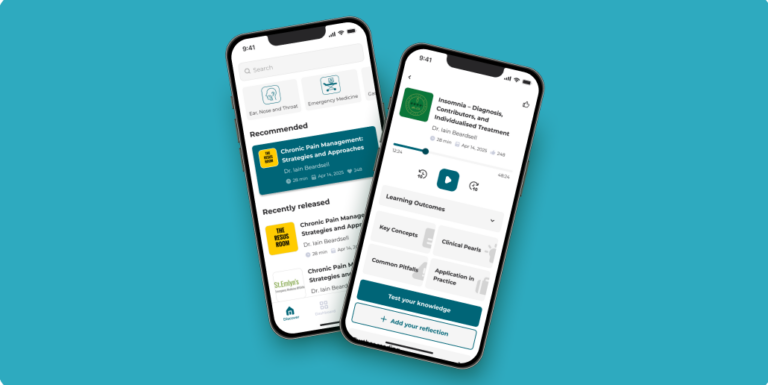
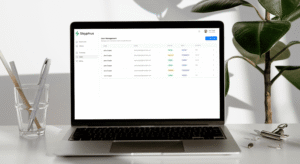
Custom mobile development for a startup healthcare learning app. MedPod combines medical podcast content with quizzes and progress tracking for medical education platforms.
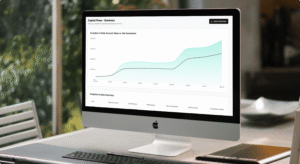
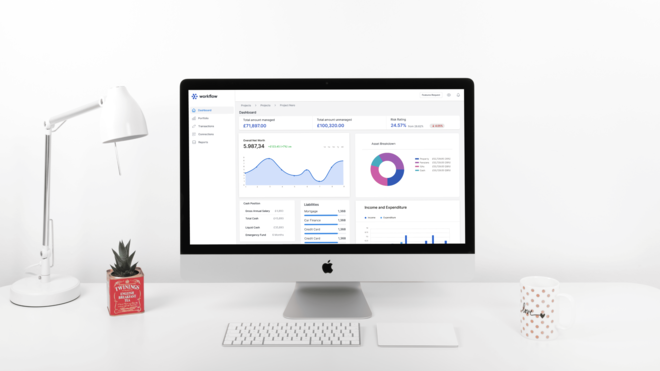
Fuze is a financial planning tool and wealth management platform built to deliver scalable integrations, flexible modules, and clear financial data insights

Reviews
Get a project cost estimate
Get an estimate based on your project requirements. Simply enter a few details to get your projected cost. Quick, clear, commitment-free.
FAQs
What are your pricing models?
Based on your project type, we can offer fixed price, time and material or a dedicated development team pricing model.
What is fixed price pricing?
A fixed price model is based on an estimate of the volume of work that needs to be done.
What is time and material pricing?
The time and material pricing model assumes you pay only for the time and resources spent on your project.